Susan Engoro: From Digital Inclusion to Opportunity
25 October 2026|Tito Mise
In today’s world, digital skills are no longer optional, they are essential. Employers increasingly require basic digital literacy, the ability to use productivity tools, communicate online, and adapt to technology‑driven work environments. However, many youth in Kakuma refugee camps grow up without exposure to computers, the internet, or structured digital learning. This digital divide limits access to education, reduces employability, and prevents youth from competing in local, national, and global job markets.
 To respond to these challenges, the JRS Digital Inclusion Program was implemented in the camp to equip youth with practical, market‑relevant digital skills. The program targeted young adults who were out of school (Form four leavers), transitioning from education to work, or facing prolonged unemployment. Training focused on foundational computer literacy, internet navigation, online safety, digital communication, document preparation, and introductory skills such as graphic design, data entry, and online job searching.
As of 2025, the program has reached three cohorts with 165 graduates, generating positive ripple effects across households and peer networks. Participants reported increased confidence, improved problem‑solving skills, and a stronger understanding of how technology is used in professional environments. Many were able to prepare CVs, apply for opportunities, enroll in online courses, and support community initiatives that rely on digital tools.
The program also strengthened youth awareness of the relevance of digital skills to today’s job market. Training sessions highlighted how technology underpins employment opportunities in administration, education support, media, entrepreneurship, humanitarian response, and remote or freelance work. This exposure helped youth shift their perceptions, from viewing employment as unattainable to recognizing realistic pathways aligned with current labor‑market demands.
Importantly, the initiative promoted equitable access and participation. Young women were actively encouraged to enroll, helping to challenge gender norms that often limit girls’ engagement with technology. Female participants reported increased confidence and greater motivation to pursue further learning and skills development.
Susan Engoro: From Digital Inclusion to Opportunity
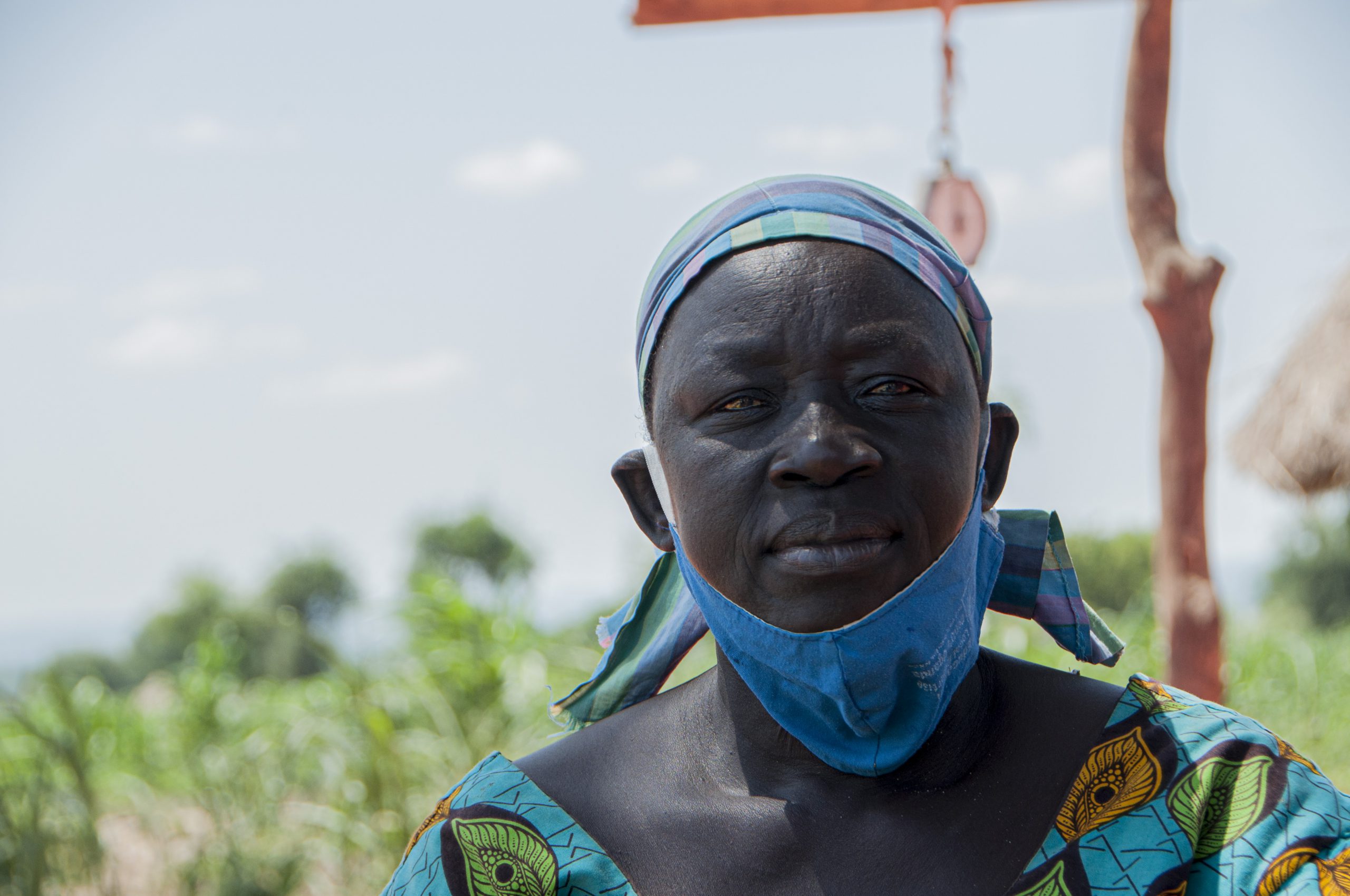
 Susan Engoro’s journey illustrates the transformative impact of digital inclusion. Before joining the Digital Skills for Women (DISFOW) program, Susan lived in Kakuma Refugee Camp with limited access to education, no stable income, and few opportunities to develop market‑relevant skills. In 2025, she enrolled in the six‑month program and gained computer literacy, freelancing skills, and competencies in graphic design, data entry, data scraping, and data analysis. A key milestone was learning how to use LinkedIn to build a professional profile and access opportunities beyond the camp.
Today, Susan works online and earns income to support her family. She recently secured a role in social media and Communications with an organization after identifying the opportunity on LinkedIn. She also supports others by helping peers develop CVs and portfolios and by offering digital services to community organizations.
“Learning digital skills opened doors I never imagined. Now I can support my family, help others, and plan my future with confidence.
With skills, dignity, and access to opportunity, the program contributes to stronger livelihoods and more resilient communities.
Through this link, you can watch Suzan Eng’o’s testimony in video format.
Explore more