Bridging the Digital Divide for Refugee Youth in Dzaleka, Malawi
24 October 2026
Malawi, known for its long-standing tradition of hospitality, has for decades welcomed refugees fleeing conflict and instability from across the region. At the heart of this response is Dzaleka Refugee Camp, located on the outskirts of Lilongwe,a place that has become home to thousands of refugees from countries such as the Democratic Republic of Congo, Burundi, Rwanda, and Somalia. While Dzaleka offers safety, life in the camp is often marked by limited access to formal employment, restricted economic opportunities, and the daily struggle to build a sustainable future.
In this challenging context, the Jesuit Refugee Service (JRS) Malawi continues to walk alongside refugees, creating pathways for dignity, resilience, and self-reliance. One such pathway is the Digital Inclusion Programme (DIP), a flagship initiative under JRS Malawi’s Economic Inclusion and Livelihoods portfolio. Designed to equip refugee youth with practical digital skills and access to online work, the programme is transforming lives in a place where opportunities are often scarce.
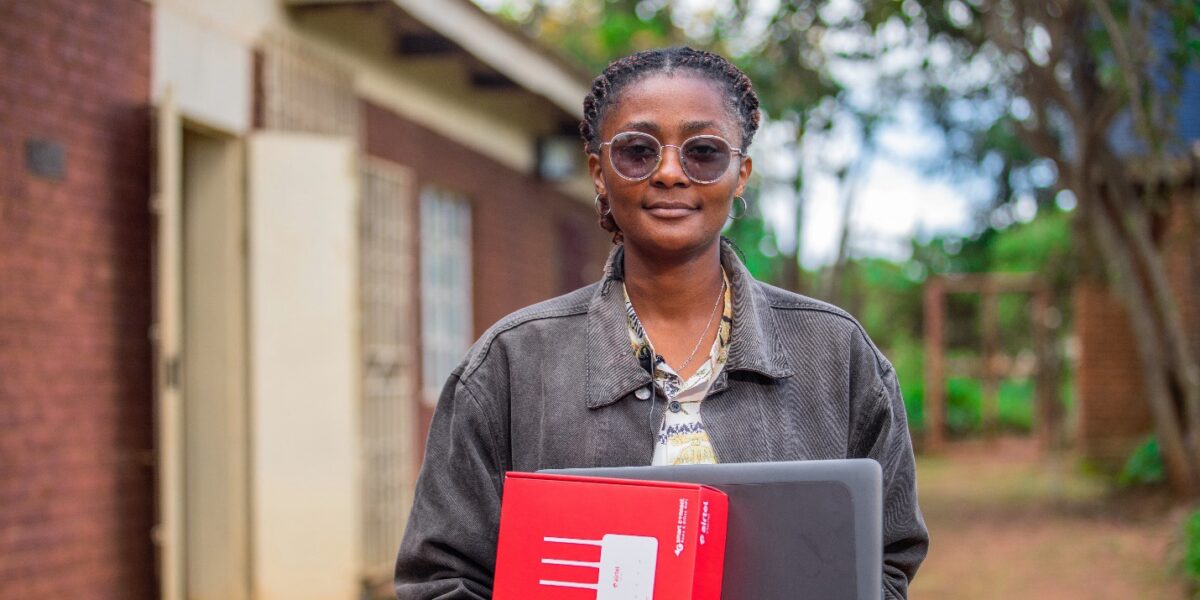
JRS Malawi marked a significant milestone in this journey through a partnership with Give Internet. The programme received a donation of 15 laptops, 15 internet routers, and six months’ worth of data bundles, an intervention that directly addresses one of the biggest barriers faced by refugee youth: access to reliable digital tools and connectivity.
For many young people in Dzaleka, the inability to participate in the formal labor market has made it difficult to secure stable livelihoods. In response, JRS Malawi has embraced innovation, preparing youth to tap into the global digital economy. Through the Digital Inclusion Programme, participants receive training in market-relevant skills such as translation, web design, digital marketing, and transcription. Many graduates have already begun working as freelancers, connecting with clients across the world and earning income despite their physical limitations.
Yet, until now, progress was often hindered by shared resources and unreliable internet access. The new partnership is changing that reality. With personal laptops and dedicated connectivity, beneficiaries can now work from their homes, improving productivity, meeting deadlines, and expanding their client base. For young women and those balancing family responsibilities, this flexibility is particularly transformative.
 “Before receiving this laptop, I had to rely on shared computers, which limited the time I could spend on my assignments,” shared one programme graduate. “Now, I can meet deadlines, take on more clients, and grow my income.”
The impact extends beyond individual success. With increased income, families are better able to meet basic needs, support education, and contribute to the local economy. More importantly, it restores a sense of dignity and independence, values often diminished in prolonged displacement.
The provision of routers and six months of data ensures that beneficiaries can immediately take advantage of these opportunities without interruption. During this time, JRS Malawi will continue to provide mentorship, technical support, and connections to digital markets, helping participants build sustainable careers.
This initiative reflects a broader shift toward digital livelihoods and remote work, positioning refugee youth as active contributors in a connected global economy rather than passive recipients of aid. It is a powerful example of how innovation and partnership can unlock potential where it is often overlooked.
As the Digital Inclusion Programme continues to grow, collaborations like this remain vital. They show what is possible when opportunity meets determination.
In a place where displacement can limit dreams, the story unfolding in Dzaleka is different, one where, with the right tools and support, refugee youth are not only rebuilding their lives, but shaping their futures with confidence and hope.
Explore more