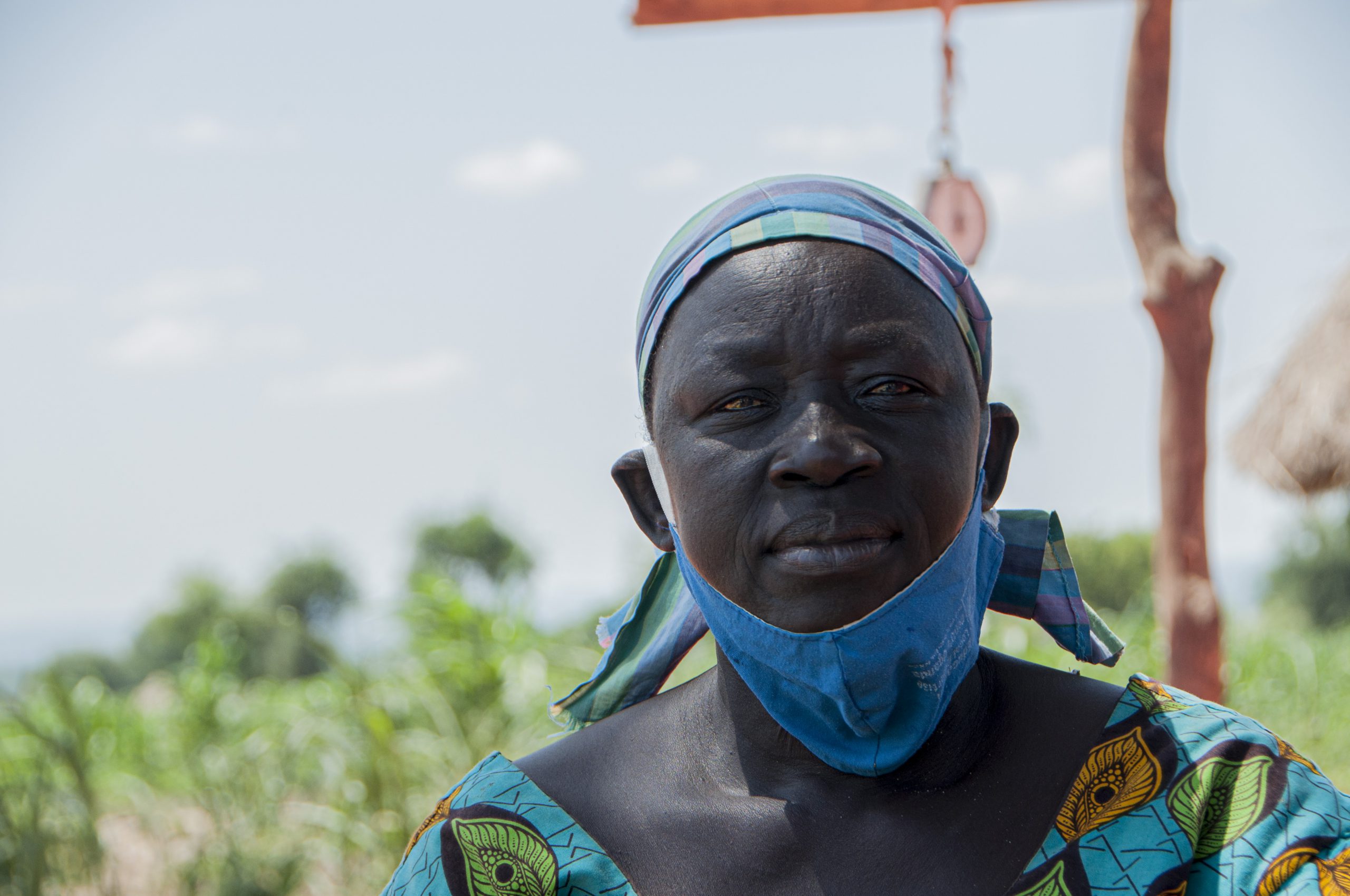
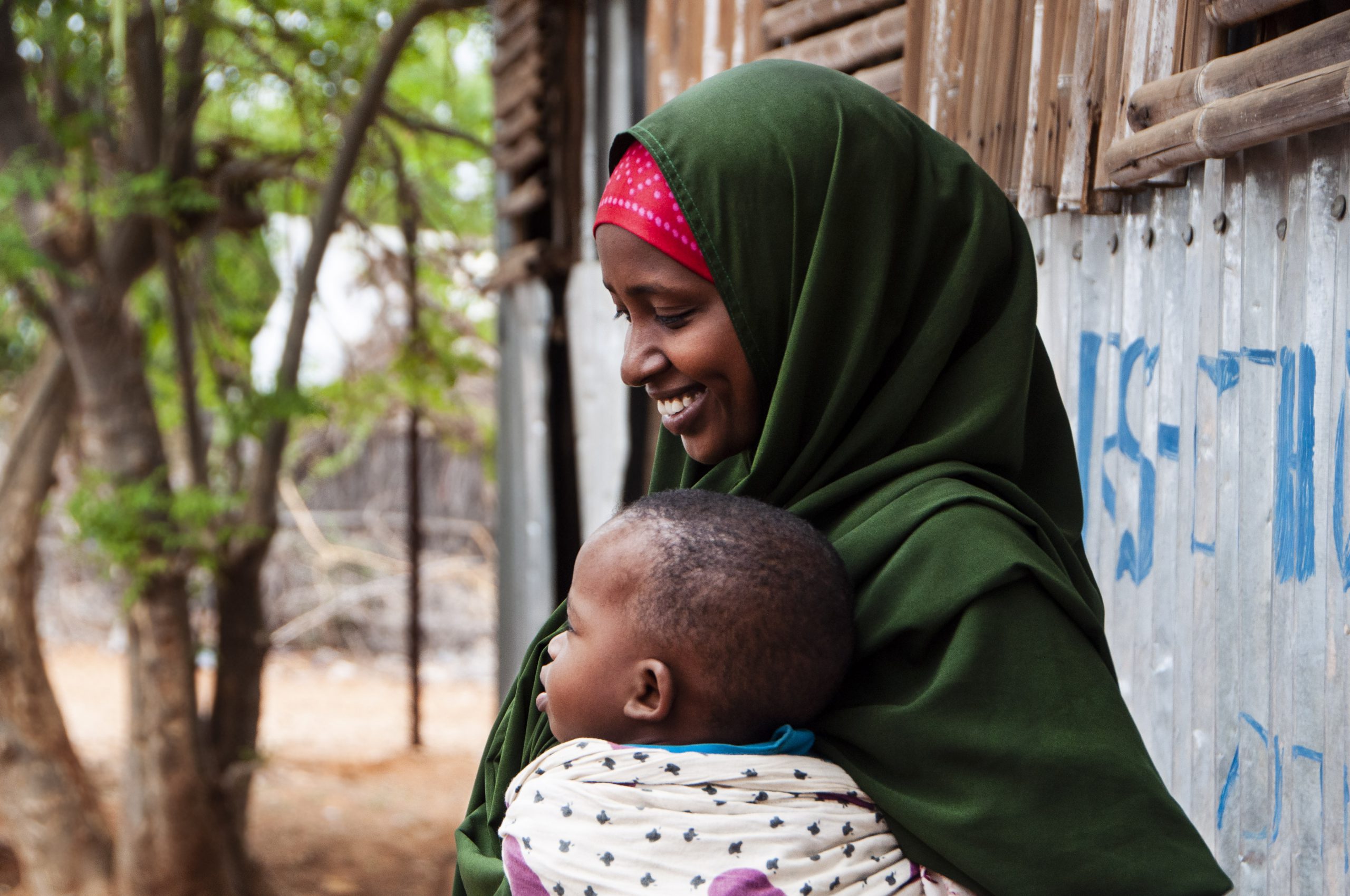
In displacement contexts like Kakuma and Dadaab, for many girls, staying in school is not guaranteed.
Daily life is shaped by challenges that go beyond the classroom. Some girls miss lessons because they lack access to menstrual health products. Others fall behind due to early pregnancy or the expectations placed on them at home. Over time, these barriers can push them out of school altogether.
But when these conditions begin to change, so does the way girls experience education.
Changing realities at Greenlight Secondary School
At Greenlight Secondary School in Kakuma Refugee Camp, this has long been the reality for many girls. Missing classes, falling behind or leaving school altogether has been a common experience shaped by factors beyond their control.
Together with Jesuit Refugee Service (JRS), Entreculturas, and with the support of ECHO, we have worked alongside the school community to respond to these barriers and strengthen the conditions that allow girls to remain in education. This has involved working not only within the school, but also with families and the wider community, recognising that these challenges do not begin or end in the classroom.
Today, this change is becoming visible. More girls are attending school regularly, staying engaged in their learning and continuing their education with greater continuity, even in difficult circumstances.
Supporting girls to stay and continue learning
We have worked to ensure that what once kept girls out of school no longer defines their experience.
Access to menstrual hygiene products, school materials and uniforms has made a significant difference in everyday attendance. What previously caused absence or discomfort is now less of a barrier, allowing girls to stay in the classroom with greater confidence and regularity.
At the same time, learning support has enabled those who had fallen behind to catch up and continue their education without feeling excluded. This has been particularly important for girls whose education had already been interrupted, helping them return and re-engage with their learning.
We have also accompanied girls facing more complex situations, including teenage mothers. Through access to healthcare, continued learning opportunities and ongoing support, many have been able to return to school and continue their studies, challenging the idea that motherhood marks the end of education.
Schools as safe and inclusive spaces
We have also worked to strengthen schools as environments where girls feel safe, supported and able to participate fully.
Girls are increasingly taking part in school life, sharing their concerns and stepping into leadership roles. They are not only present, they are actively shaping their learning environment.
At the same time, boys are part of this transformation. Through awareness and ongoing engagement, they are encouraged to challenge gender stereotypes and contribute to more equal and respectful relationships within the school.
These changes are helping to build a school culture where girls can learn with greater confidence and where inclusion and respect are part of everyday life.
Education as protection and opportunity
The impact of these changes is visible across the school. More girls are staying in education, attending regularly and progressing in their learning.
But beyond attendance, there is a deeper transformation taking place. Girls are beginning to see education not just as a place they go, but as a pathway,one that allows them to imagine and pursue a different future.
In displacement contexts, this matters deeply. Education becomes protection, stability and opportunity, not only for girls, but for entire communities.
Together, JRS and Entreculturas, with the support of ECHO, we continue working so that more girls can stay in school, continue learning and build new opportunities for their future.
Explore more