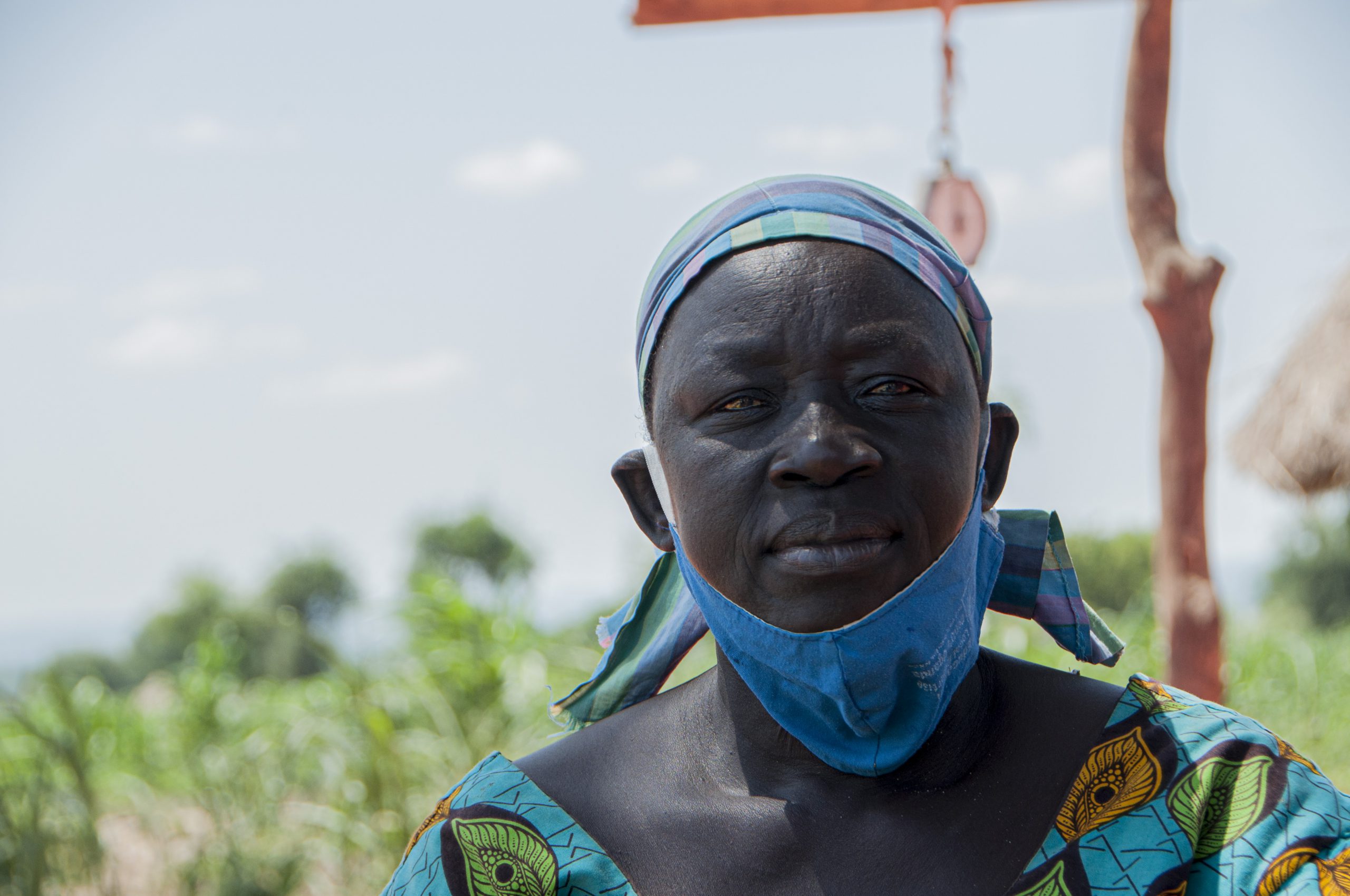
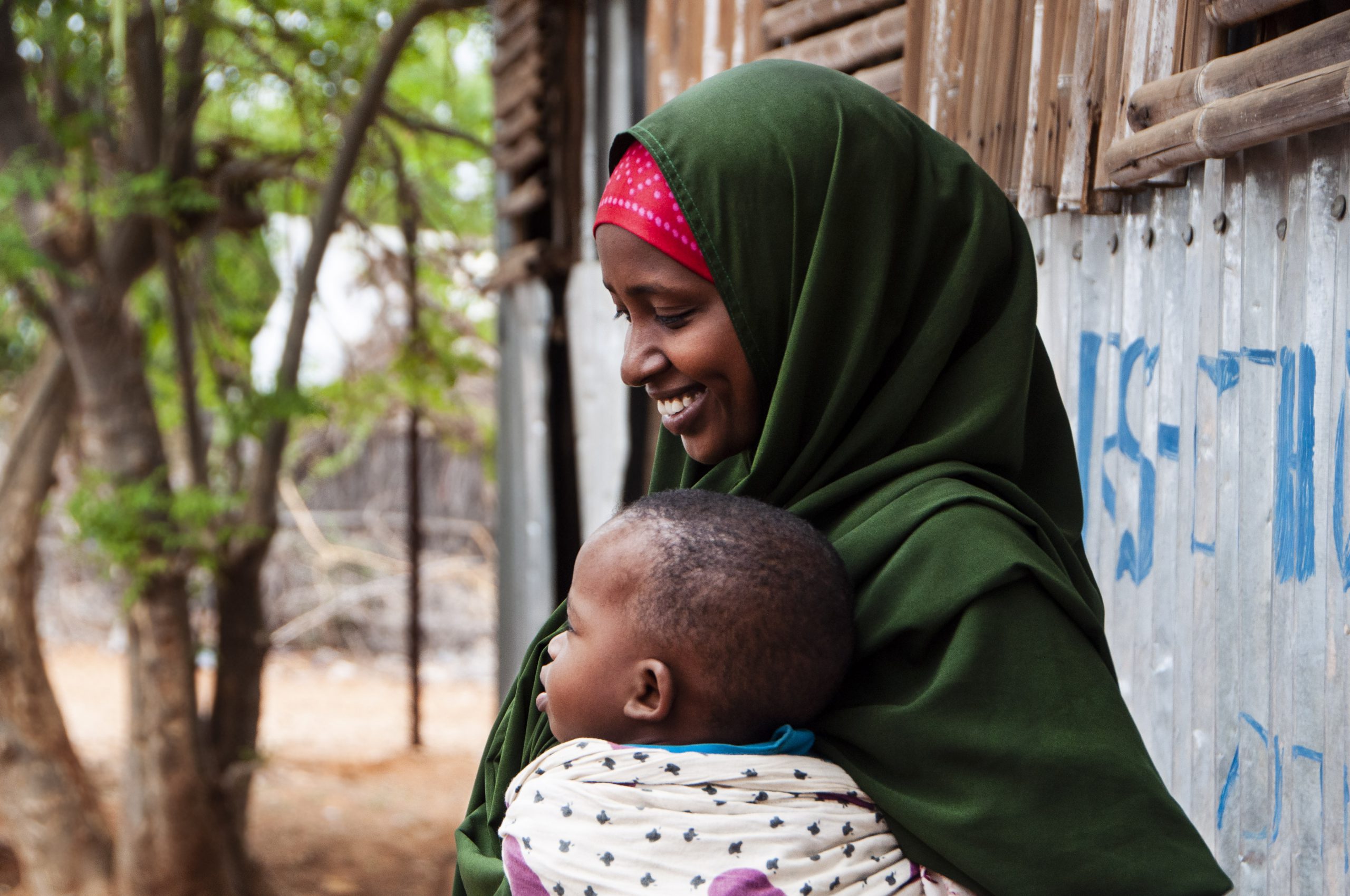
“Education opens our children’s minds. It gives them hope. One day, they can succeed and take us out of the camp.”
Fatuma Mberwa is a mother of a student at Greenlight Secondary School in Kakuma Refugee Camp. Like many parents in the camp, her first concern was simple: making sure her child could stay in school despite the challenges of daily life.
But over time, she began to notice something deeper. More and more students were dropping out, and families around her were struggling to sustain their children’s education.
“I wanted to understand why this was happening,” she explains. “That’s why I decided to join the Board of Management.”
The challenges families face
In Kakuma, access to education is shaped by the conditions of displacement. Many families live with limited or unstable income, making it difficult to cover even basic needs. School-related costs, such as fees, uniforms or materials, often become unaffordable.
For some students, especially girls, these challenges lead to missed classes or falling behind. Over time, this can result in absenteeism and, in many cases, dropping out of school altogether.
“As parents, we could barely afford meals, let alone school fees,” Fatuma recalls.
For her, one of the hardest realities has been seeing children with potential leave school not because they lack motivation, but because the conditions around them make it difficult to continue.
A community working together
Faced with this situation, Fatuma and other parents became more actively involved in the school through the Board of Management. Families, teachers and school leadership began working more closely together, building a stronger sense of shared responsibility for education.
With the support of the Jesuit Refugee Service (JRS) and Entreculturas, through a project funded by ECHO, the school strengthened its response to these challenges. Support for vulnerable students, combined with a more coordinated effort between families and the school, helped many learners return to the classroom.
“At one point, I saw the number of students increasing again,” Fatuma says.
At the same time, parents taking part in the Board of Management strengthened their role in school life. Through training and participation in decision-making, they became more actively involved in supporting the school and its students.
This closer collaboration has helped build stronger relationships between families and teachers, making it easier to identify challenges early and support students who are at risk of dropping out.
Education as hope for the community
The impact of these changes is visible across the school. More students are now able to stay in school, and those who had previously dropped out are returning. With families more involved, students are more engaged and more aware of the importance of education.
“Indiscipline cases have reduced because students know their parents are involved,” Fatuma explains.
But beyond this, there is a deeper transformation. Students are beginning to see education as an opportunity, a way to imagine a future beyond the limitations of the camp.
In contexts of displacement, this shift goes beyond the individual. Education becomes a source of stability, direction and hope for entire communities.
For Fatuma, being part of the school leadership means contributing to that collective future, one where children can learn, grow and build new opportunities.
Through their work in Kakuma and Dadaab refugee camps, JRS and Entreculturas, with the support of ECHO, continue working alongside communities to strengthen schools so that children and young people can keep learning and imagining their future.
Explore more